
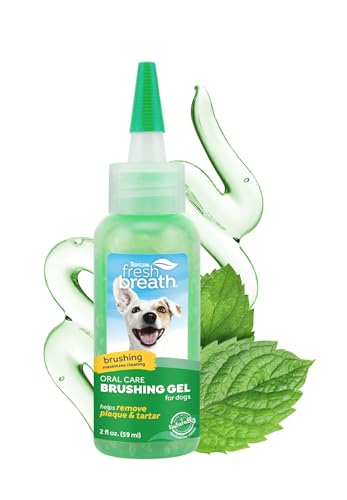


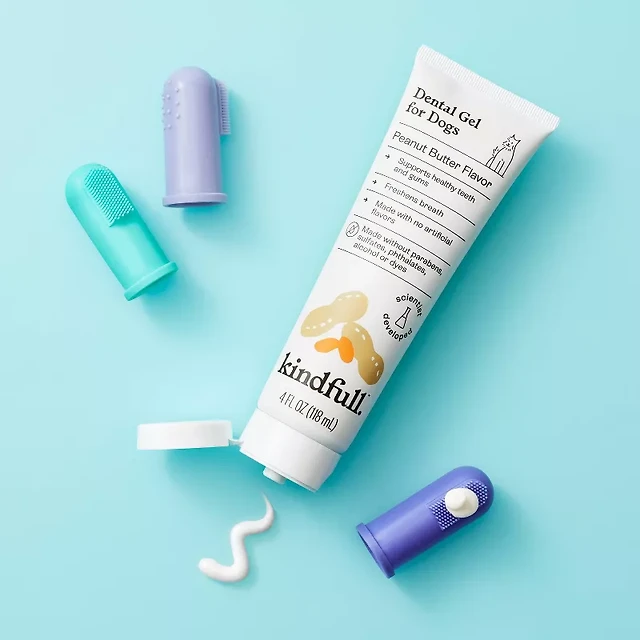
Kindfull Dental Gel for Dogs | Enzymatic Oral Care Formula
Our enzymatic dental gel works while your dog eats, plays, and sleeps — no toothbrush required. The patented enzyme blend targets plaque biofilm at the molecular level, breaking down food particles and bacteria before they harden into tartar. Formulated with glucose oxidase and lactoperoxidase, this gel activates on contact with saliva to create a sustained cleaning action that lasts hours.
Designed for dogs who resist traditional brushing, Kindfull dental gel applies in seconds along the gum line or can be added to food. The natural poultry flavor encourages acceptance, while aloe vera and chamomile soothe irritated gums. Veterinary dental specialists recommend enzymatic care as part of a comprehensive oral health routine, especially for breeds prone to periodontal disease. Safe for daily use in dogs of all ages and sizes.
- Patented glucose oxidase enzyme system breaks down plaque biofilm
- Natural poultry flavor for easy application without resistance
- Aloe vera and chamomile extract soothe inflamed gum tissue
- No brushing required — gel activates with saliva for sustained cleaning
- Safe for daily use in puppies, adults, and senior dogs
How enzymatic dental gel works
The kindfull dental gel uses a dual-enzyme system that mimics your dog’s natural saliva defenses. Glucose oxidase converts glucose into hydrogen peroxide and gluconic acid, creating an antimicrobial environment that inhibits bacterial growth. Lactoperoxidase then catalyzes the hydrogen peroxide to produce hypothiocyanite ions, which penetrate plaque biofilm and disrupt the bonds holding bacteria to tooth enamel.
This enzymatic cascade continues for 8-12 hours after a single application, providing prolonged protection between uses. Unlike mechanical cleaning that only removes surface debris, enzymes work at the cellular level to prevent plaque formation before it begins. The gel’s viscosity keeps enzymes in contact with gum tissue longer than water-based rinses, maximizing contact time where periodontal bacteria colonize most aggressively.
Application methods and frequency
Direct gum line application
Lift your dog’s lip and apply a pea-sized amount of gel along the upper gum line on each side of the mouth. The gel will spread naturally as your dog’s tongue moves, distributing enzymes across all tooth surfaces. This method delivers the highest enzyme concentration directly to the periodontal pockets where bacteria accumulate.
Food-mixing option
For dogs who resist mouth handling, mix half a teaspoon of gel into wet food or a small amount of plain yogurt. While this dilutes enzyme concentration slightly, it still provides effective plaque control for maintenance purposes. The enzymes remain stable in acidic environments and activate once mixed with saliva during eating.
Ingredients and safety profile
Each batch contains pharmaceutical-grade glucose oxidase derived from Aspergillus niger, the same enzyme used in human wound-care products for its antimicrobial properties. Lactoperoxidase is extracted from bovine whey through cold-processing to preserve enzymatic activity. These enzymes are GRAS-certified (Generally Recognized As Safe) by the FDA for oral use.
The gel base uses vegetable glycerin and xanthan gum for viscosity, ensuring the formula clings to gum tissue rather than being immediately swallowed. Aloe barbadensis leaf extract provides polysaccharides that reduce gingival inflammation, while German chamomile (Matricaria chamomilla) contributes apigenin and bisabolol with documented wound-healing effects.
Complete oral care essentials for dogs




What people are saying

Common questions about Kindfull dental gel
Enzymatic gel is a preventive tool that reduces the frequency of professional cleanings, not a replacement for them. Dogs with existing tartar buildup below the gum line require scaling under anesthesia to remove calcified deposits that gel cannot penetrate. Once teeth are professionally cleaned, daily gel helps prevent new plaque from hardening into tartar.
Veterinarians typically recommend professional cleanings every 1-3 years depending on breed, diet, and home care. Consistent use of enzymatic gel can extend the interval between cleanings, reducing anesthesia exposure and veterinary costs over your dog’s lifetime.
Most owners notice fresher breath within 5-7 days as enzymes reduce volatile sulfur compounds produced by oral bacteria. Visible plaque reduction typically appears after 3-4 weeks of daily application, showing as whiter tooth surfaces and pinker gum tissue.
Dogs with heavy tartar accumulation may take 6-8 weeks to show improvement, as enzymes must first work through surface biofilm before reaching deeper deposits. For best results, have your veterinarian assess baseline oral health, then recheck after 60 days of consistent use to document changes.
Yes, all ingredients are safe for ingestion and the enzymes remain active in the digestive tract without adverse effects. However, swallowing the gel immediately reduces contact time with teeth and gums, decreasing effectiveness. Try applying gel just before bed when your dog is calm and less likely to lick excessively.
If your dog persistently licks the gel off, use the food-mixing method for the first week to build acceptance, then transition to direct gum application once they’re accustomed to the taste.
Puppies 12 weeks and older can safely use the gel, and starting early establishes good oral care habits before permanent teeth erupt. During teething, the soothing botanicals help reduce gum discomfort while enzymes keep the mouth clean as baby teeth loosen.
Apply a smaller amount for puppies — about half the adult dose — and focus on the upper gum line where plaque tends to accumulate first. Early enzymatic care helps prevent the periodontal disease that affects 80% of dogs by age three.
Continue using the gel up until the day before scheduled dental procedures. The antimicrobial enzymes actually reduce bacterial load in the mouth, which can decrease the risk of bacteria entering the bloodstream during scaling. Some veterinary dentists recommend using enzymatic gel twice daily for two weeks before professional cleanings to optimize oral health.
After surgery, wait 24-48 hours or until your vet approves resuming home care, then restart gel application to support healing and prevent rapid plaque reaccumulation on freshly cleaned teeth.
Bad breath (halitosis) stems from bacterial fermentation of food particles and dead tissue. Enzymatic gel addresses this by breaking down the organic matter bacteria feed on and reducing bacterial populations. Most dogs show breath improvement within one week as the oral microbiome shifts toward healthier bacterial strains.
If breath remains foul after three weeks of daily use, the odor may indicate deeper issues like infected tooth roots, gastrointestinal problems, or kidney disease. Persistent halitosis despite enzymatic care warrants a veterinary exam to rule out systemic illness.
The gel works synergistically with mechanical cleaning tools like finger brushes or dental chews. Apply gel first to coat the teeth, then use a brush or chew to physically dislodge loosened plaque while enzymes are active. Water additives can be used simultaneously, as they provide continuous low-level antimicrobial action between gel applications.
Avoid using the gel immediately after chlorhexidine rinses, as the antiseptic can deactivate beneficial enzymes. If your veterinarian prescribes medicated oral treatments, ask about timing to ensure products don’t interfere with each other’s mechanisms.